Schizophrenia Treatment in Hyderabad: Residential Care and Rehabilitation at Abhasa
What is schizophrenia treatment in Hyderabad? Schizophrenia treatment in Hyderabad is a planned mix of medicine, therapy, rehabilitation and family support for people living with schizophrenia. Abhasa Rehab and Wellness now has a residential centre in Mambapur, Hyderabad, and a paid online consultation helps families decide what kind of care fits.

Medically Reviewed By Dr. Shree Aarthi
Senior Consultant Psychiatrist · MBBS, MD, DNB (Psychiatry) · 12 years of clinical experience in psychiatry.
Prefer to message? WhatsApp the admissions team

Schizophrenia is treatable.
The World Health Organization reports that at least one in three people with schizophrenia will be able to fully recover[1].
Psychiatrist-led care
Named, qualified psychiatrists assess each person and review medicine throughout.
30 days to 6 months+
The team sets the length with you, based on progress rather than a fixed package.
Families included
Family sessions and scheduled visits are built into treatment.
2:1 staff-to-client
Abhasa works with a staff-to-client ratio of 2:1 at its centres.
For a long time, Hyderabad families who wanted residential schizophrenia care from Abhasa had to travel to Coimbatore or Karjat. That has changed. Our newest centre is in Mambapur, Hyderabad, so care is now much closer to home. If you have been looking for schizophrenia treatment for a son, daughter, parent or partner, this page explains your options, step by step, in plain words.
Not sure where to begin? Talk to our team. There is no pressure to decide anything on the first call.
Key Takeaways
Schizophrenia is treatable. The World Health Organization reports that at least one in three people with schizophrenia will be able to fully recover[1].
Medicine, family support and rehabilitation work best together. No single step does it all.
Abhasa Rehab and Wellness has a residential centre in Mambapur, Hyderabad.
A paid online consultation is a calm first step, before any decision is made.
Most residential programmes at Abhasa run from 30 days to 6 months or longer, planned around the person.
Understanding the condition
What Is Schizophrenia?
Schizophrenia is a mental health condition that changes how a person thinks, feels and makes sense of what is real. The World Health Organization says schizophrenia is marked by serious changes in the way reality is perceived and in behaviour. Schizophrenia affects about 1 in 300 people worldwide, or 27 million people, according to the WHO fact sheet[1].
In everyday words, a person may:
Hear or see things that others don't, such as voices.
Hold strong beliefs that aren't true, such as being followed or watched.
Lose interest in people and activities they used to enjoy.
Find it hard to concentrate, plan or finish simple tasks.
It is an illness of the brain, not a flaw in anyone's character. Families don't cause it, and nobody chooses it.
So if your family member hasn't had steady care yet, you are not alone, and it is not too late. Our schizophrenia guide explains the condition in more depth.
Knowing when to act
When Is It Time to Get Help?
It is time to get help when changes in thinking, sleep, mood or behaviour last more than a few weeks, or start to affect daily life. Early help is usually gentler and easier. If anyone is in immediate danger, emergency care comes first: call 112 or go to the nearest hospital emergency department.
Families usually notice small things before anything big happens. Here are signs people often describe, and what they may mean.
What you notice at home
Sleeping very little, staying in the room, dropping out of college or work.
What it may mean
Early changes that need a closer look.
A sensible next step
Paid online consultation with a psychiatrist.
Clinical guidelines recommend that people with psychosis are assessed by a specialist mental health team, and that their family is offered support and information from the start[3].
Writing down what you see, with dates, helps a great deal. A psychiatrist can then see the pattern, rather than one bad day. You can read more about early signs of schizophrenia and schizophrenia symptoms.
If you are unsure which row fits, the national Tele-MANAS helpline (14416) is free and open around the clock. You can also call Abhasa's 24/7 line on +91-73736-44444.
Evidence-based care
What Are the Schizophrenia Treatment Options?
The main schizophrenia treatment options are antipsychotic medicine, family intervention, psychological therapy and psychosocial rehabilitation. Evidence is strongest for medicine and for family work, so most good plans begin there. Rehabilitation and therapy then help the person rebuild daily life, and they work best alongside medicine rather than instead of it.
Here they are in order of how strong the research behind them is.
Strongest evidence
Schizophrenia Medicine and Injections
Antipsychotic medicine is the base of treatment. Antipsychotic medicine lowers the chance of relapse in schizophrenia compared with stopping it, according to a review of 65 trials with 6,493 people[4]. That is why medicine is only ever reduced with a doctor's help.
Medicines come as daily tablets or as a schizophrenia injection, a long-acting dose given every few weeks. Injections can suit people who find it hard to remember tablets, or who don't want to take them every day. The choice is made with the psychiatrist and the family.
Every schizophrenia medicine has possible side effects. Metabolic side effects of antipsychotics, such as weight gain and changes in blood sugar and cholesterol, differ a lot from one medicine to another, according to a network meta-analysis of 18 antipsychotics[5]. That is why regular health checks matter as much as the prescription. Our schizophrenia medication page explains the main options.
Strong evidence
Family Intervention
Family intervention teaches relatives about the illness and how to respond calmly at home. It may reduce relapse and hospital admission, according to a Cochrane review[6]. It also gives tired families a place to be heard. Our family guide on supporting a family member with schizophrenia covers this in more detail.
Supportive evidence
Schizophrenia Therapy and Rehabilitation
Schizophrenia therapy includes psychoeducation, supportive therapy and cognitive behavioural therapy adapted for psychosis. CBT can help some people cope with distressing symptoms, though the overall effect across studies is small[7]. Rehabilitation, covered further down this page, works on daily skills, thinking skills and work.
Limited — specialist decision
Brain Stimulation: rTMS and ECT
Families sometimes ask about rTMS (repetitive transcranial magnetic stimulation). It has been studied for voices that don't settle with medicine. A Cochrane review of 41 trials found some benefit for these symptoms, but rated the evidence as very low quality, and people who had rTMS reported more headaches[8]. ECT is used in a small number of specific situations. Both are decisions for a psychiatrist, after medicine has been properly tried.
"Families often hope for one answer that fixes everything. In schizophrenia, recovery usually comes from several steady things done together: the right medicine, a calmer home and a daily routine that gives the week some shape."
— Dr. Shree Aarthi, MBBS, MD, DNB (Psychiatry), Abhasa Rehab and Wellness
For the full picture, see our schizophrenia treatment guide.
Abhasa's approach
Schizophrenia Treatment Programmes at Abhasa
Residential schizophrenia care at Abhasa Rehab and Wellness is for people who need more than a short clinic visit. Every programme starts with an assessment and is built around the person. There is no fixed package.
Most programmes run from 30 days to 6 months or longer. The length depends on how severe the symptoms are, how the person is coping day to day, how they respond to treatment and when they are ready to go home.

Abhasa's schizophrenia programme includes:
Psychiatric assessment on admission, covering symptoms, history, current medicines and physical health.
Medicine stabilisation. Finding the right medicine and dose, watching for side effects and checking physical health.
Support with taking medicine, including long-acting injection as an option.
Psychoeducation, so the person understands the illness and their own warning signs.
Individual and group therapy, including CBT for psychosis and supportive therapy.
A relapse-prevention plan, written with the person before they go home.
Family sessions on understanding symptoms, talking without conflict and lowering stress at home.
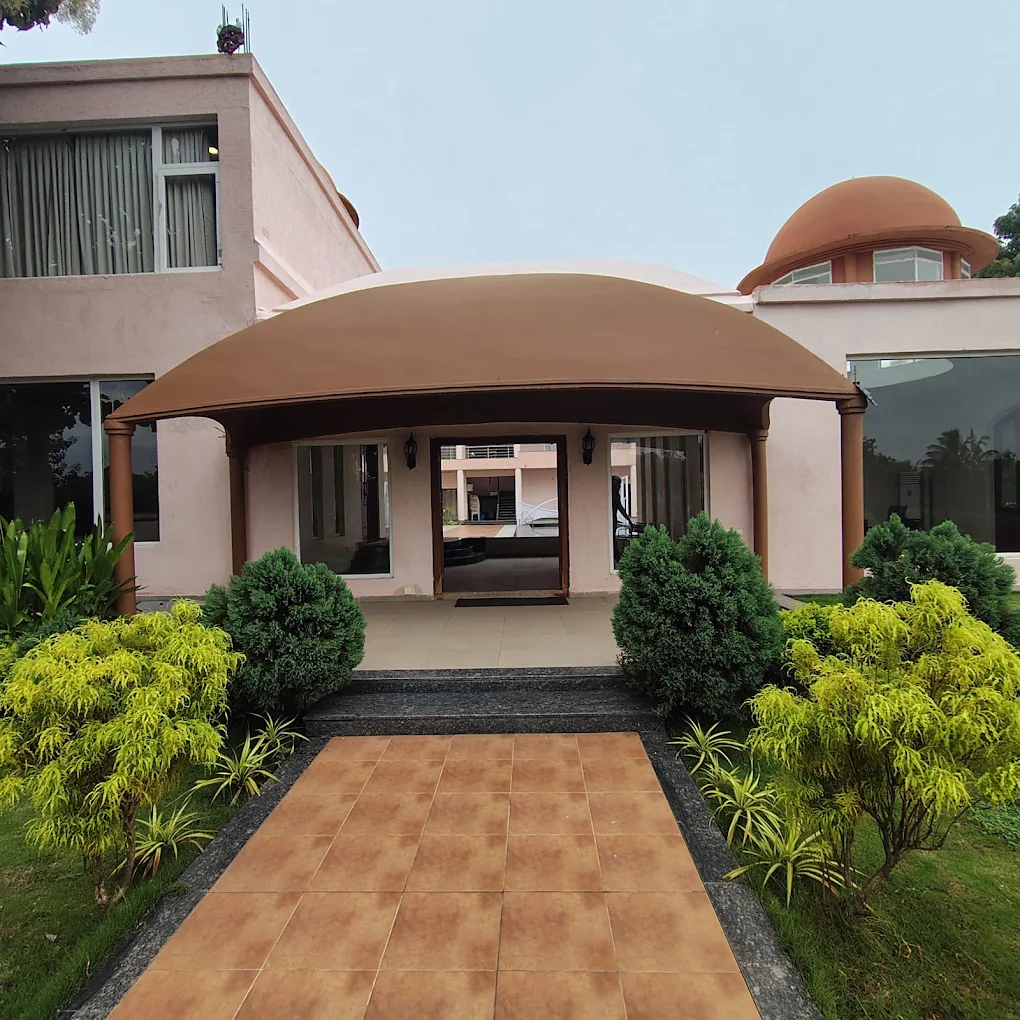
An honest note on Mambapur: Our centre in Mambapur, Hyderabad offers residential care for families in the city and across Telangana. When you call, our team will tell you exactly which parts of the programme are available there, and whether Coimbatore or Karjat may suit your family member better.
Want to know which programme might fit? Ask our admissions team.
Rehabilitation
Schizophrenia Rehabilitation Centres in Hyderabad: What Good Rehabilitation Looks Like
Medicine can quieten symptoms. Rehabilitation helps a person get their life back. If you are comparing schizophrenia rehabilitation centres in Hyderabad, it helps to know what good rehabilitation actually includes, so you can ask the right questions.
Whether you are comparing psychiatric or mental health rehabilitation centres in Hyderabad, look for these five things:

Social skills training.
Practising conversations, asking for help and handling disagreement.
Daily living skills.
Routines for sleep, meals, money, medicines and self-care.
Cognitive remediation.
Short, regular exercises for attention, memory and planning.
Physical activity.
Exercise that is planned and supervised, not left to chance.
Work and study planning.
Realistic steps back towards a job or course.
All five are part of the rehabilitation programme at Abhasa.
Each has research behind it. Cognitive remediation gives lasting gains in thinking skills and daily functioning for people with schizophrenia, according to a meta-analysis of 40 studies[9]. The gains were larger when it was combined with other rehabilitation, as it is here.
Aerobic exercise improves cognitive functioning in schizophrenia, according to a meta-analysis in Schizophrenia Bulletin[10].
Supported employment helps adults with severe mental illness find and keep paid work, according to a Cochrane review[11].
When you visit or call a rehabilitation centre, ask how a typical day is spent. A safe place to stay matters a lot. But most families want more than safety. They want their family member to come home able to do a little more than before.
Progress is often small at first.
Making tea for the group. Joining a walk without being asked. Finishing a page of a book. These small steps count, and they add up.
Step by step
How Do Admission and Treatment Work, Step by Step?
Treatment at Abhasa moves through seven steps. It begins with a consultation and an admission assessment. Then come settling in with a medicine review, a daily routine with therapy, rehabilitation work and family sessions. It ends with a written discharge plan and online follow-up. Each person moves at their own pace.
Step 1 of 7
First consultation.
Call, WhatsApp or book online. The conversation is confidential, and there is no obligation.
First consultation.
Call, WhatsApp or book online. The conversation is confidential, and there is no obligation.
Admission assessment.
A psychiatrist and the clinical team look at symptoms, history, medicines and daily functioning.
Settling in.
The first days are about rest, safety and a medicine plan that suits the person.
Daily routine and therapy.
Regular sleep, meals, sessions and activity bring back a steady rhythm.
Rehabilitation.
Skills work begins, matched to the person's goals.
Family sessions.
Relatives join planned sessions. Family visits are scheduled as part of treatment.
Discharge and follow-up.
The team writes a plan covering medicine, follow-up and warning signs. Follow-up can continue online.
Some people move through the early steps in days. Others need weeks. Both are normal.
If you'd like to talk through these steps for your family member, book a consultation.
Who is responsible
Who Leads Care at Abhasa?
Care at Abhasa Rehab and Wellness is led by consulting psychiatrists, with clinical psychologists and nursing staff in daily care. A psychiatrist assesses each person on admission and reviews the medicine plan throughout the stay. So families always know who is responsible for medical decisions, and who to ask.
Dr. Shree Aarthi
MBBS, MD, DNB (Psychiatry)
Senior Consultant Psychiatrist with 12 years of clinical experience.
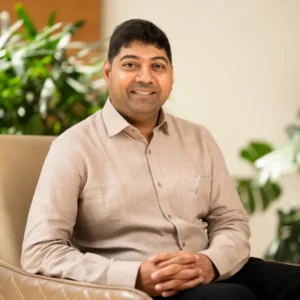
Dr. Naveen Kumar
MBBS, DPM (Psychiatry)
Consulting Psychiatrist, with more than 20 years of psychiatric experience.
Clinical psychologists
with M.Phil training,
who run individual and group therapy.
Nursing and care staff
available 24 hours a day.
Abhasa works with a staff-to-client ratio of 2:1 at its centres.
"The first thing I ask a family is what a good day used to look like. That tells us what we are working back towards, and it reminds everyone that the person is much more than the illness."
— Dr. Shree Aarthi, MBBS, MD, DNB (Psychiatry), Abhasa Rehab and Wellness
Want to speak with the clinical team before deciding? Contact us today or call +91-73736-44444.
For Hyderabad families
Our Hyderabad Centre and Other Abhasa Centres
Abhasa Rehab and Wellness has four residential centres: Mambapur in Hyderabad, Thondamuthur and Sowripalayam in Coimbatore, and Karjat in Maharashtra. Families in Hyderabad can choose the centre that suits their family member best, whether that means care close to home in Hyderabad or a quieter setting further away.
What “in Hyderabad” means on this page: Our Hyderabad centre is in Mambapur. When you call, the admissions team will share the exact address and how to get there.
Mambapur, Hyderabad
Telangana
Our newest centre, offering residential care for families in Hyderabad and the rest of Telangana. Our admissions team can share full details of the centre, rooms and routine when you call.
Thondamuthur, Coimbatore
Tamil Nadu
Our flagship centre, open to all genders, set on a nature-enclosed campus near the Velliangiri Hills. Facilities include a gym, meditation spaces, a library, guided nature walks, planned outings and care support 24 hours a day. It is about 45 minutes from Coimbatore Airport, and airport pickup is available.
Karjat
Maharashtra
A mixed-gender centre spread across 2 acres at the foothills of the Western Ghats, with forested hill views. Room options range from suites and deluxe rooms to twin and shared rooms, and the centre is wheelchair accessible. It is about 2 hours from Mumbai Airport, with transfers available.
Sowripalayam, Coimbatore
Tamil Nadu
A women-only centre with a female-only clinical and support team. You can read more about our women's centre in Coimbatore.
Our documented centres have medical staff around the clock and hospital tie-ups for serious medical emergencies. Our Mumbai schizophrenia page has more about care at Karjat.
Online Consultation and Follow-Up for Hyderabad Families
Sometimes the first step is just a conversation. An online consultation lets you talk about what you are seeing at home without travelling anywhere. The team listens, asks questions and suggests a level of care. Online consultations are a paid service, and the team will confirm the fee when you book.
Our online consultation service includes:
Online psychiatric counselling, for questions about symptoms, medicines and next steps.
Online family counselling, for relatives who are trying to cope and help at the same time.
Online sessions also help after discharge. They keep the plan on track once your family member is back home in Hyderabad or elsewhere in Telangana, without regular long trips.
There is one honest limit.
An online session can't replace an in-person assessment when someone is very unwell.
If the team is worried about safety, they will say so clearly and advise an in-person assessment or emergency help straight away.
Ready to start from home?
Book your online consultationWhy families choose Abhasa
Why Do Hyderabad Families Choose Abhasa?
Families choose Abhasa because care is led by experienced psychiatrists, the stay is long enough for real rehabilitation, and family sessions are part of the plan from the first week. A women-only centre is available, and with the Mambapur centre, residential care is now available in Hyderabad rather than another state.
Psychiatrist-led care.
Named, qualified psychiatrists assess each person and review medicine throughout.
Time to rebuild.
Programmes are planned for long enough to work on daily skills, not only to settle symptoms.
Families included.
Family sessions and scheduled visits are built into treatment.
Care for more than one condition.
If your family member also uses alcohol or drugs, or has another mental health condition, the same team plans for both. Read about our dual diagnosis care.
A choice of setting.
Mambapur for families who want care close to Hyderabad. Thondamuthur or Karjat for families who prefer some distance. Sowripalayam for women.
We won't tell you we are the only option for schizophrenia treatment in Hyderabad.
What we can offer is a clear plan, an honest assessment and a team that explains its decisions to you.
Speak to our admissions teamWhen you're ready, speak to our admissions team.
For parents, partners and carers
How Do You Begin Assessment and Admission?
Admission starts with a confidential consultation by phone, WhatsApp or online. A psychiatric assessment then confirms the right level of care, and the team agrees a plan with the person and the family before admission. Most people are admitted with their own agreement, and every step is explained clearly before it happens.

First consultation.
Share what you are seeing and ask anything.
Assessment.
A psychiatric assessment confirms the level of care and the best centre.
Admission.
The team agrees the plan with your family member and with you.
If you typed "schizophrenia treatment near me" into your phone tonight, this is the simplest place to start: one call.
What if my family member doesn't agree?
Most people are admitted with their own consent. When a person with severe illness can't make that decision, the Mental Healthcare Act, 2017 allows supported admission with legal safeguards[13]. Our team will explain what applies to your situation.
"Trust usually comes before treatment. When a person feels heard about what matters to them, such as sleep, work or family, they are more willing to try help. Pushing harder rarely works."
— Dr. Shree Aarthi, MBBS, MD, DNB (Psychiatry), Abhasa Rehab and Wellness
What to bring.
Our admission guide walks through the process in more detail.
Earlier support is usually easier than waiting for a crisis. If things are getting harder at home, call us today, even if you only want to talk.


Recovery Is Possible, Step by Step
Schizophrenia can feel overwhelming, for the person and for everyone who loves them. But it is treatable. Many people go on to live steady, meaningful lives, working, studying and spending time with family. Our page on whether schizophrenia is curable talks honestly about what recovery can look like.
The first step doesn't need to be a big one. Start with a consultation, and we'll take the next step together.
What happens after you get in touch
We call you back
A member of the admissions team gets in touch, the way you prefer. The conversation is confidential.
First consultation
Share what you are seeing at home and ask anything. There is no obligation.
Agree a plan together
If needed, a psychiatric assessment confirms the level of care and the best centre. Nothing is decided without you.
Request a free, confidential call-back
Just your name and number. Please don't share medical details here - we'll talk them through with you.
Frequently Asked Questions
Still have a question? Ask us directly. There's no such thing as a silly question here.
How much does schizophrenia treatment cost?
The cost of schizophrenia treatment depends on the length of stay, the room and the care your family member needs, so it is worked out after the assessment. Our cost guide explains what shapes the price.
Where is the Hyderabad centre?
Our Hyderabad centre is in Mambapur. When you call, the admissions team will share the exact address and how to get there.
How long will my family member stay?
Most programmes run from 30 days to 6 months or longer. The team sets the length with you, based on progress rather than a fixed package.
Can we visit?
Yes. Family visits are scheduled as part of treatment, and family sessions are part of the plan.
What if he refuses to get treatment?
This is very common, and it is not a sign that you have failed. A consultation helps you plan how to talk about it. The team can also explain supported admission under the Mental Healthcare Act, 2017.
Will medicine be needed for life?
Some people need medicine long term, and others for a shorter time. The psychiatrist reviews this regularly with the person and family. Medicine should never be stopped suddenly.
Can my daughter stay at a women-only centre?
Yes. Sowripalayam in Coimbatore is a women-only centre with a female-only team.
What is the best treatment for schizophrenia in Hyderabad?
There isn't one treatment that suits everyone. The best treatment for schizophrenia is usually a combination of medicine, family support and rehabilitation, chosen by a psychiatrist who knows the person. A consultation is the quickest way to work out what that looks like for your family member.
References

Medical Disclaimer
This page is for general information only. It does not replace an assessment by a qualified psychiatrist. Treatment decisions should be made with a doctor who knows the person's history. Please don't start, stop or change any medicine without medical advice.
Crisis Resources
Immediate danger to self or others:
Call 112call 112, or go to the nearest hospital emergency department.
Abhasa Rehab and Wellness 24/7 helpline:
+91-73736-44444