21.Addiction Rehab

Luxury De-addiction Treatment Centre serving Madurai

Most dependencies do not begin with recklessness. They begin as quiet coping mechanisms. A drink to calm the nerves. A pill to feel in control. A late-night scroll to forget something painful. With time, these small escapes can take hold in ways that feel impossible to undo. Families see the shift. They observe how someone they love starts slipping away. If you’re considering de-addiction treatment centres and feeling uncertain, you’re not alone. Numerous Indian families carry a quiet sorrow when addiction becomes part of their story. There’s shame, fear, and deep confusion about what steps to take. However proper support exists, and it doesn’t have to feel clinical, cold, or overwhelming. According to the National Family Health Survey (NFHS-4, 2015-16), 46.5% of adult males in Tamil Nadu consume alcohol—significantly higher than the national average. [1, 2, 3] for Madurai residents specifically, families are increasingly recognizing that professional help makes the difference between struggling alone and finding lasting recovery

Understanding Residential De-addiction Treatment

Many people believe that recovering from addiction is just about trying harder. They think a few sessions or a short break might be enough. But when addiction has taken over daily life, real recovery needs something deeper. It needs a calm space, a steady routine, and constant, hands-on support. That’s why residential de-addiction treatment works so well. It gives people the structure and care they need to begin again, truly.

What makes residential care different?

In our de-addiction treatment centres, everything is designed with purpose. Clients don’t just visit for a few hours. They live here. They wake up in a calm, trigger-free space. They follow routines, eat nourishing meals, attend one-on-one and group therapy, and slowly learn how to live without leaning on substances or compulsions. Residential de-addiction treatment is structured in a way that helps individuals break cycles. There’s no gap in care, no space for old habits to slip through. Support is available around the clock, day and night, so no one has to face cravings or emotional storms alone.

It's not just about stopping. It's about replacing.

At Abhasa, we understand that addiction is not simply about substances. It’s about what those substances were used to soothe. That’s why our de-addiction treatment centres do not focus only on stopping use. We also focus on helping each person build a life they don’t want to escape from. Daily routines, new coping skills, physical wellness, and emotional guidance all play a role in this journey. Research from the Vellore cohort study in South India shows that alcohol consumption prevalence among men was 47.7% (2016-2019), demonstrating the persistent nature of addiction without proper intervention.[6] At Abhasa, we address not just the habit, but the underlying reasons that keep the cycle going. Many of our clients have tried to recover through outpatient care. For some, it worked for a while. But without a change in surroundings, old triggers often return. And that’s why residential de-addiction treatment offers the structure and stability that outpatient settings can’t always provide.

Why structure matters

In a home setting, routines can easily fall apart. There may be family stress, emotional triggers, or even access to substances. In contrast, de-addiction treatment facilities like Abhasa offer a schedule that gently holds people throughout the day. Wake-up times, therapy hours, wellness activities, and reflective evenings—all of it is intentional. That kind of structure creates safety and helps the brain start building new patterns.

Healing happens in community.

Connection is part of recovery. Within our residential de-addiction treatment programs, clients form bonds, share space, and take part in peer-led support that reminds them they are not alone. Many say it’s the first time they’ve felt truly seen. The difference between just surviving and truly recovering often lies in the setting. At Abhasa’s de-addiction treatment facilities, that setting is quiet, supportive, and deeply healing.

Not sure if residential de-addiction treatment is suitable for your family? We’ll help you understand the next step.

Why Choose Residential Rehab for De-addiction

Some things need more than love.

Families often try their best. They offer comfort, stand by their loved ones, and hope that things will change with time. But when old patterns keep returning, it becomes clear that more support is needed. This is where residential care begins to make sense. The benefits of de-addiction treatment in a structured setting can help when home support reaches its limit.

Care that never sleeps

At Abhasa, we provide continuous care because cravings do not follow a schedule. Our team handles withdrawal management with empathy and attentiveness. If someone wakes up with discomfort in the night, help is ready. During difficult moments, we stay close. From nutrition and hydration to emotional grounding, every part of care works together to ease this phase. This level of support is one of the most immediate benefits of de-addiction treatment. It lessens fear, builds trust, and helps clients feel stable from the very beginning.

Structure brings relief

When life feels out of control, addiction often finds a way in. Without framework, each day can blur into the next, making it hard to break the cycle. That is why we concentrate on rhythm and routine. At Abhasa, every part of the day serves a purpose. Clients start with calming mornings, move through purposeful activities, enjoy nourishing meals, and wind down in the evenings. This consistent rhythm brings clarity and becomes one of the most vital advantages of de-addiction therapy. In rural Tamil Nadu (Tiruvallur district), studies show that 35.7% of adult males had alcoholism, but only 4.5% with chronic alcoholism sought treatment. [7] The treatment gap exists partly because families don’t know what structured care looks like. [7, 9] At Abhasa, our daily rhythm creates the safety many have been searching for. A routine helps create a sense of security that many have not felt in years. These daily patterns slowly replace old behaviors with healthier choices. As this shift occurs, our team stays close, offering reliable withdrawal management throughout the process. Physical discomfort and emotional changes receive the attention they deserve. With time and assistance, each person starts to feel balanced again. That is the power of structure, connection, and consistent care.

Connection encourages growth

Healing happens faster when people feel connected. At Abhasa, clients join group spaces where they listen and speak without judgment. In these moments, they realise they are not alone. Others understand their struggles and share their hopes. These group bonds become part of the more profound advantages of de-addiction treatment. They build emotional safety and open the door to lasting relationships. Everyone progresses together, not in isolation.

Families matter here

While clients focus on recovery, families begin to heal as well. We offer regular updates, family calls, and sessions that explain what is happening and why. This education helps families learn how to support recovery without stress. Among alcohol users in Tamil Nadu, 55.2% cite family problems as the primary reason for not seeking treatment.[9] At Abhasa, we recognize that healing the family system is as important as treating the individual. Our family involvement programs bridge this gap. Strong withdrawal management and emotional guidance at the centre go hand in hand with teaching families how to create a healthy home afterwards. One of the most lasting benefits of de-addiction treatment is knowing the family feels ready too.

Still uncertain if this is the right step for your loved one? We are ready to talk.

Why Families Trust Abhasa De-addiction Treatment

Healing begins when families feel seen.

Families frequently arrive at Abhasa feeling tired, unsure, and overwhelmed. Many have attempted different options, hoping something would finally work. What they find here is not just another program. They find a place that understands what they have been through. This kind of care is the reason families choose Abhasa over others.

Comfort and care in every detail

At Abhasa, clients experience luxury de-addiction treatment that supports recovery in both body and mind. Private suites, spa therapies, and guided wellness routines replace the cold feel of a clinic. The setting feels calm and restorative, offering the comfort needed to begin real change. This level of comfort is not simply about appearance. It supports the process. When clients feel safe, they begin to trust. When they trust, they begin to open up. That shift is what makes our approach to luxury de-addiction treatment so effective.

Every plan grows with the person.

No two individuals follow the same course. That is why we never hand out fixed programs. At Abhasa, every care plan adjusts over time. Our team listens closely, responds to feedback, and adapts the schedule based on progress. This customised care allows healing to happen at the right pace. Families value this flexibility. It is one of the reasons they say Abhasa stands apart from other options and is recognized among the leading de-addiction recovery centres.

A healing blend of science and tradition

We combine the clinical and the holistic. In addition to therapy, clients take part in yoga, mindfulness, nature strolls, music sessions, and art-based healing. These are not extra features. They are part of the core program. This integration is what defines true luxury de-addiction treatment. Clients do not just attend sessions. They learn to live differently, from the inside out.

Privacy, professionalism, and cultural understanding

Our team respects the privacy of every client. We support individuals and their families in ways that feel both professional and deeply respectful. We keep our team small and attentive to ensure each person receives the care they need. With two staff members for every client, someone remains available at all times to assist, listen, and respond. Our team understands Indian family dynamics and provides support in a way that feels respectful and familiar. Families trust Abhasa because the connection feels authentic. They felt a sense of belonging in the recovery process; they felt their support was crucial for the first time.

Families choose Abhasa because they feel supported from the minute they reach out.

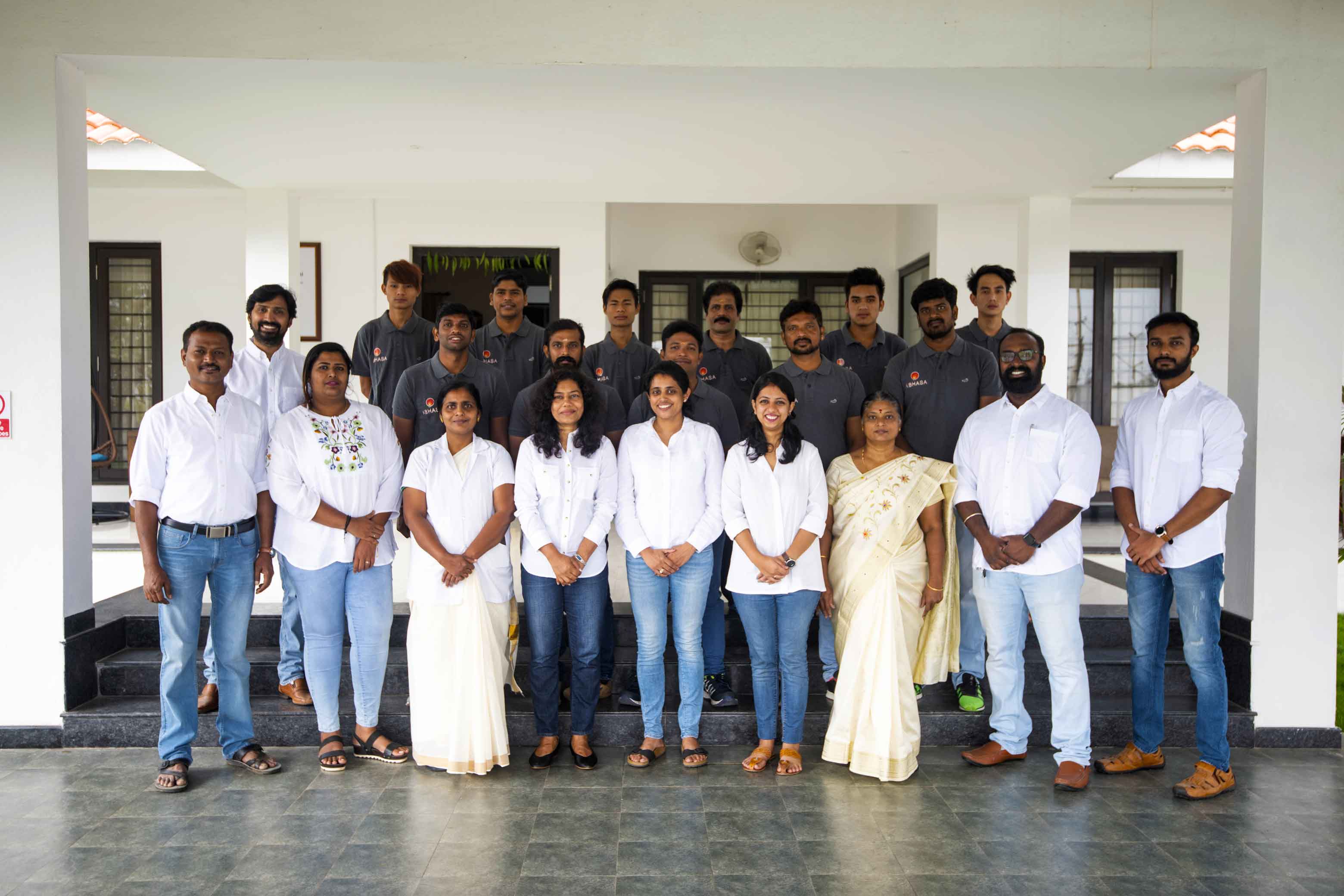
Meet Our De-addiction Recovery Experts

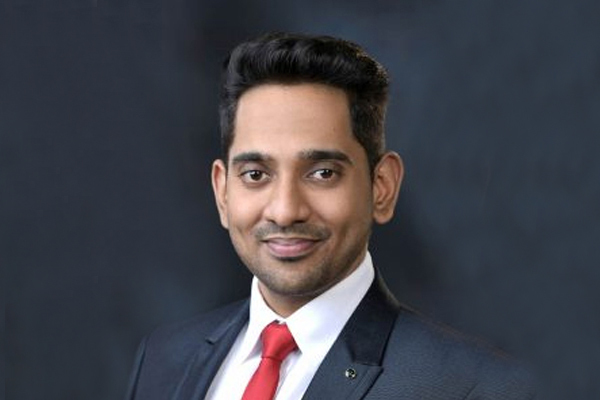
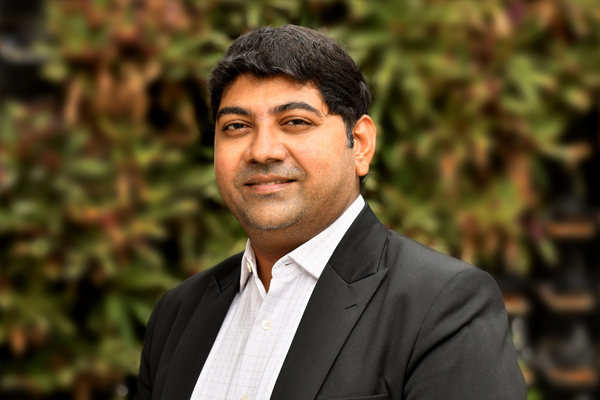
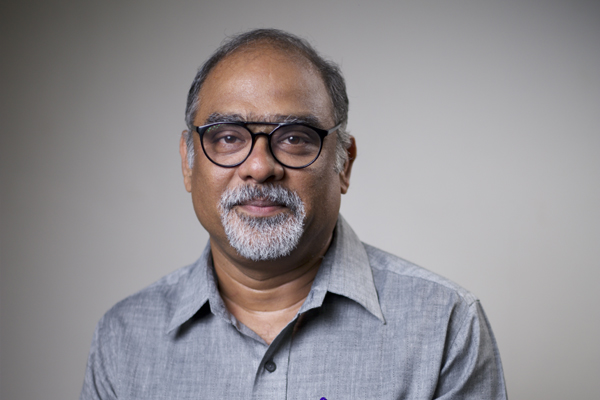
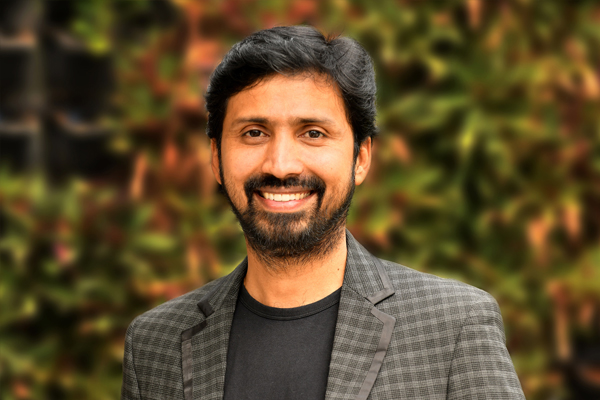
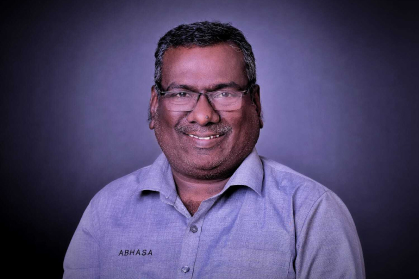
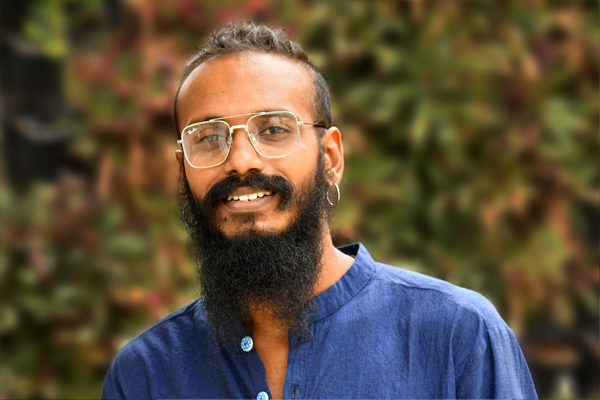
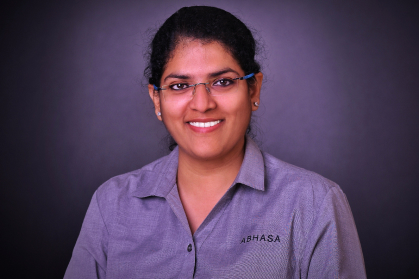
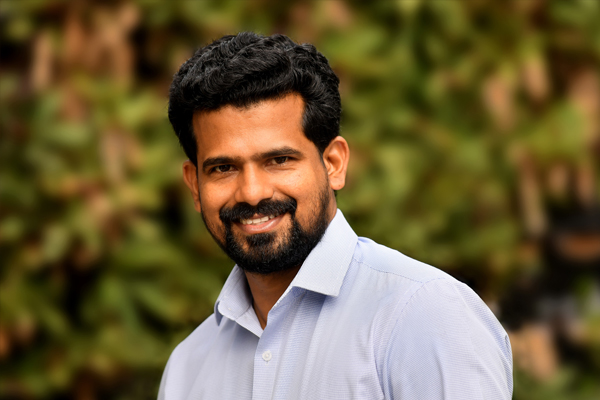
As a leading de-addiction rehabilitation centre, we focus on connection, clarity, and consistent support. Each person here receives care rooted in holistic de-addiction therapy, combining emotional guidance with practices like yoga, mindfulness, and expressive arts. Many of our team members bring lived experience, which helps foster confidence and comfort. We personalise every care plan and adjust it as progress unfolds. Our de-addiction rehabilitation centre also supports families through trained counsellors who offer guidance and education. This family-first model strengthens recovery at every step. Our approach to holistic de-addiction therapy helps individuals rediscover balance and confidence through consistent, thoughtful care.

Inside Our Residential Programme

People often think a de-addiction rehab centre is simply a place to detox, rest, and follow a rigid routine. But at Abhasa, recovery unfolds differently. We offer a thoughtful, layered experience that combines structure with spirit. Our model is not about control. It is about rediscovery. This is what sets our private de-addiction treatment program apart.

Step 1: A setting that heals the senses

When someone enters our de-addiction rehab centre, the first thing they notice is tranquility. Our residential space includes private suites, soft lighting, landscaped gardens, and quiet corners designed for reflection. Everything is intentionally created to reduce noise, distraction, and overwhelm. Comfort is not an extra. It is the starting point for healing. The surroundings help our clients settle down, breathe fully, and feel safe enough to begin.

Step 2: Building rhythm through daily structure

We guide each day with a gentle but precise rhythm. Mornings start with mindfulness, followed by fitness or movement-based sessions. Afternoons include individual counselling, group therapy, and creative sessions. Evenings focus on grounding techniques, reflection, and calming rituals.

Step 3: Nutrition that brings balance

Food is vital for physical as well as mental well-being. The ingredients should aid comfort for the gut and body. That’s why freshly sourced ingredients find their way to your plate. Stimulants that may affect mood or energy are avoided. Each meal provides calm, clarity, and comfort, helping individuals feel steady from within. Nutritional support is especially critical given that Madurai district shows significant malnutrition indicators: 54% of children under 5 years have anemia (NFHS-5, 2019-20), and 48-53% of women aged 15-49 have anemia. [10, 11, 12] Proper nutrition is foundational to physical and mental recovery. At our de-addiction rehab centre, meals do more than fuel the day. They create moments of grounding. Eating well becomes a part of feeling well.

Step 4: Movement that resets the body

Individuals take part in guided yoga, light fitness, and peaceful walks through nature. We also guide them through simple practices like mindful breathing and quiet reflection. All these movements bring calmness and help to relax the nervous system. As clients move, their bodies begin to relax and settle into a more natural rhythm. These moments create space to slow down, notice what’s happening inside, and feel more connected to themselves. These elements are woven into the fabric of private de-addiction treatment, helping clients tune into their bodies and restore inner balance.

Step 5: A community that holds space

Clients take part in small peer groups that create connections without pressure. Group sharing complements individual counselling and enhances trust in the de-addiction rehabilitation centre environment. This emotional safety becomes the bedrock of more profound change.

Our structured living model blends comfort, clarity, and concern.

A Typical Day at Abhasa

Every day at Abhasa follows a tranquil and steady rhythm. Many clients originate from lives that felt disorderly, with unforeseeable feelings and broken routines. Our goal is to change that with comfort, care, and a feeling of equilibrium. That’s the structure of structured addiction-free living. We don’t use a rigid routine. Instead, each client follows a day-to-day flow that fits their emotional state, physical energy, and recovery objectives. This rhythm allows them to rebuild trust in their own speed, while still getting stable guidance.

Mornings that bring steadiness

Mornings at Abhasa begin gently. Clients start with breathwork, a bit of movement, or quiet time for themselves. There’s no rush. Just space to settle in, breathe, and feel based. After that, a warm, nourishing morning meal helps restore energy and brings comfort that feels both physical and psychological. For many, this type of calm routine is new. These early moments create a steady foundation, something clients begin to look forward to. It’s how structured addiction-free living starts to take root, through small acts that bring a sense of safety and rhythm back into everyday life.

Days built on connection and gentle momentum

As the morning settles in, clients join a small group. These circles become more than a location to talk. They offer inclusivity, understanding, hope and strength to start once more. They offer comfort, understanding, and the quiet reassurance that others have walked a similar course. As clients open up and listen to one another without pressure, something changes. They start to feel less alone. In that shared space, trust begins to develop, and a feeling of connection starts to grow. This flow of therapy and activity supports structured addiction-free living by creating healthy outlets for tension and clear anchors throughout the day.

Space for self-reflection and growth

Afternoons typically bring quieter moments, one-on-one sessions with counsellors, expressive art therapy, or journaling. Clients also appreciate wholesome dishes prepared by in-house chefs. These meals support both clarity and physical recovery. Each activity builds on the next. Nothing feels hurried or compelled. That is how structured addiction-free living becomes a practice, not just a program.

Evenings that bring calm and closure

As the day comes to a close, the pace gently slows. Clients spend this time in peaceful ways, such as quiet walks, guided breathing, or personal reflection. The body is relaxed after dinner in a tranquil setting and is ready to rest. This steady rhythm supports better rest and prepares clients for the day ahead.

At Abhasa, healing flows through rhythm, not pressure.

Specialised De-addiction Treatment Programs

Dependency takes numerous kinds. What begins as alleviation or diversion frequently develops into a routine that feels difficult to break. At Abhasa, we recognize that everyone’s experience looks various. That is why we never offer a solitary formula. We build customised recovery paths based on the type of support each client genuinely requires. While many centres offer basic classifications of care, we go deeper. Our programs resolve the particular layers behind each problem, whether it involves substance use, behavioral patterns, or both. We treat the whole individual with attention, care, and cultural understanding.

Substance dependence and long-term reset

Our drug de-addiction treatment programs assist clients move away from dependence on alcohol, prescription medication, and illicit substances. But we don’t stop at detox. We look at why the use began in the first place. Through a mix of psychological support, structured living, and nutritional support, we assist clients develop a life they don’t want to escape from. At the national level, India reports that only 1 in 38 people with alcohol dependence have received any treatment, and just 1 in 180 have received inpatient treatment. Among those with illicit drug dependence, only 1 in 20 have received inpatient treatment ever in their lifetime. [14, 17]

Rewiring patterns through behaviour-focused care

Habits like compulsive gambling, gaming, or pornography usage do not always get the same attention as substances. However they can be equally damaging to emotional well-being and family life. Our behavioral de-addiction treatment plans help individuals understand the cycle they’re stuck in and how to step out of it, slowly and safely. Each client gets a blend of individual therapy, group support, and lifestyle changes. With this method, behavioral de-addiction treatment becomes an opportunity to relearn focus, rebuild self-trust, and develop healthy ways to cope.

Supporting dual needs with clarity

For those facing mental health difficulties alongside substance or behavior-related struggles, we offer dual diagnosis support. These plans integrate drug de-addiction treatment with emotional and psychiatric care. The objective is stability, not just symptom relief. Every layer is addressed together, so nothing gets missed.

Recovery beyond just habits

Many clients need help with deeper, often unspoken patterns. Process de-addictions like shopping, food dependency, and work burnout are addressed through personalised schedules that restore balance. Similarly, our behavioral de-addiction treatment programs for technology or social media overuse focus on helping clients regain control, instead of imposing restrictions.

Care that evolves with each person.

Every treatment plan at Abhasa is built to adapt. As one of the few centres for Madurai residents offering highly tailored care, we adjust therapy blocks, movement routines, and even nutrition support based on daily feedback. We do not expect clients to fit into a plan. We shape the plan to fit who they are, where they come from, and where they’re ready to go next.

Healing takes many types. So do our programs

Personalised Recovery Plans & Relapse Prevention

Many individuals enter recovery feeling worn down. They have tried in the past, but without the proper support, progress fades. At Abhasa, we offer a different path. Our addiction recovery programs grow with the person. We do not depend on preset plans. We shape each one to fit real life and genuine emotions. We start by listening. Our team pays attention to small shifts, emotional patterns, and personal strengths. We stay present throughout the journey and build trust over time.

Plans that change with you

When someone joins one of our addiction recovery programs, we begin by getting to know them in a real way. We spend time getting to know the person inside out; their routine, things that make them feel stuck, things that make them move, and even the views of their family. These honest conversations help us understand who they are beyond the addiction. With that insight, we begin to shape a plan that feels right for them. It reflects where they are now and gently supports where they want to go next. We focus on goals that feel meaningful, create support they can rely on, and bring structure back into each day in a way that feels stable and clear. As they grow and change, we adjust the plan. Nothing stays fixed, because real healing keeps moving. This approach makes de-addiction therapy services at Abhasa feel truly personal. Each step supports both healing and long-term strength.

Recognising risks and building resilience

We help clients identify what puts them at risk. This includes emotional triggers, high-pressure scenarios, and physical symptoms. With this understanding, they begin to take back control. Clients in our addiction recovery programs keep personal journals to track urges, stress patterns, and progress. These journals guide our sessions and help the care team respond in real time. We also introduce healthy replacements. These might be grounding rituals, mindful walks, or creative sessions. In this way, de-addiction therapy services become tools for day-to-day living, not just therapy hours.

Preparing for the real world

Recovery does not stop when someone leaves the centre. That is why we start planning for the outside world early on. Each person receives a personalised transition plan. It includes daily routines, steps to manage relapse risk, and strategies to stay balanced.

Recovery does not stop when someone leaves the centre. That is why we start planning for the outside world early on. Each person receives a personalised transition plan. It includes daily routines, steps to manage relapse risk, and strategies to stay balanced.

Family Support & Education

When a person starts recovery, the entire family feels it. Many feel lost, unsure of what helps and what harms. At Abhasa, we see this clearly. That is why family involvement in recovery becomes a vital part of every healing journey. We do not treat a person in isolation. We collaborate with the system around them. Families heal alongside

Steady Support for Families

We make sure you stay in the loop, every single day. You’ll get straightforward updates on how your loved one is eating, sleeping, and taking part in daily activities. These simple details give you peace of mind without having to ask. Weekly, you’ll speak directly with the case manager. It’s an opportunity to talk, raise any concerns, and feel involved in their care. Once a month, you’ll join the clinical team for a more extended discussion. Together, we review progress and shape what comes next, so you always feel part of the journey. Every month, we bring you into a deeper conversation with the clinical team to talk about progress, next steps, and any areas that require attention. These sessions cover progress, goals, and next steps. This structure brings confidence into family involvement in recovery. You are part of the rhythm. Not outside, but right there with us.

Helping Families Understand and Support

We educate you how addiction influences the mind and behavior. You learn how to respond in moments of crisis, how to create calm at home, and what actions support lasting recovery.These family education sessions cover: • Brain changes that influence decisions • Triggers and how to manage them • Healthy patterns of communication • Clear, supportive routines for home We also give you simple guides and tools. These help you prepare the home environment, set boundaries, and know what to watch for. Through this process, family involvement in recovery shifts from worry to empowerment.

Therapy That Repairs and Rebuilds

Family therapy invites you to speak openly. We guide these conversations with care. Together, we explore old patterns and build new understanding. These sessions help heal trust and strengthen emotional safety. Many families tell us this is when things began to shift. They felt heard. They began to see each other differently. That is when family involvement in recovery becomes a bridge to a deeper connection. Beyond Abhasa, Madurai families can also access support through Sakhi One-Stop Centre (Helpline 181, Phone: 94862 29149), particularly valuable for women affected by violence. Additionally, the Tele-MANAS 24×7 mental health helpline (14416 / 1800-89-14416) provides accessible crisis support across Tamil Nadu. No one heals alone. Not really. At Abhasa, families find their path to healing while helping their loved one walk theirs.

You do not have to bear this alone. Let us support you, too.

Safe, Serene Environment

A garden trail. A room full of light. At Abhasa, we have built a calm retreat designed for appropriate recovery. Our private de-addiction therapy centre sits far from the disorder of city life, surrounded by trees, open skies, and quiet walking trails. This environment is part of what makes our luxury de-addiction rehabilitation experience so unique. You will not find clinical white walls or crowded hallways here. Instead, you’ll see private suites, relaxing colours, and open spaces that invite rest. Privacy and discretion matter deeply. We maintain a fully confidential setting, with secured access and quiet grounds that feel protected. The gardens, verandas, and lounges allow for quiet connection or peaceful solitude. Clients here don’t just get treatment. They get a space that feels safe from the inside out. That’s the foundation of genuine healing.

Find tranquility where your recovery feels private and protected.

Stories of Freedom: Life After Addiction

Healing means something different to everyone, but at Abhasa, we see one truth hold steady: fundamental healing changes lives. The individuals who arrive unsure often leave with a new sense of direction, purpose, and peace. These personal accounts reflect more than just time spent at a centre. They show the quiet strength it requires to rebuild after addiction. Families speak of reconnection. Clients speak of clarity and hope. Over time, these changes add up to something lasting. Among South Indian men with hazardous alcohol use (AUDIT scores), only 30.5% of hazardous drinkers expressed concern about consumption levels. [8, 25] The transformation at Abhasa goes beyond addressing consumption—it rebuilds awareness, responsibility, and hope for a different future. The stories from our de-addiction recovery centres show what happens when support is steady and treatment is customised. These are lives reclaimed, goals rediscovered, and futures made possible. This is the heart of what we do. It’s why recovery at Abhasa stays with you, long after you leave.

FAQs About De-addiction Treatment

Can rehab cure drug addiction?

Addiction is a chronic condition that requires ongoing management rather than a one-time cure. Quality care from reputable de-addiction treatment centres can provide the tools, support, and foundation for long-term recovery. However, recovery is an ongoing process that requires continued commitment, and relapse rates vary. Many individuals achieve sustained periods of recovery with proper treatment and support.

Alcohol recovery varies based on individual needs. Most residential programs at de-addiction centres range from one to three months, but some clients may benefit from extended stays for more profound healing. Treatment duration should be determined through professional assessment based on severity of dependence, co-occurring conditions, and individual progress.

Madurai has several de-addiction and addiction recovery centres. The quality, approach, and amenities vary extensively. Selecting accredited de-addiction treatment centres with documented medical oversight, licensed staff, and evidence-based approaches ensures better support and outcomes.

Cost relies on the location, offerings, and length of stay. Luxury de-addiction centres supply personalised treatment, private rooms, and holistic therapies. It’s best to consult de-addiction therapy centres directly for accurate rates. Many facilities offer payment plans, and some treatment may be covered through insurance.

Life in recovery can feel much more peaceful and satisfying for many individuals. At de-addiction centres, patients explore interests, reconnect with loved ones, and rebuild purpose. However, recovery experiences vary, and some individuals face ongoing challenges. Continued support and healthy coping strategies are important for maintaining wellness.

Expert help is typically essential. De-addiction treatment centres offer detox support, therapy, group sessions, and relapse prevention strategies. Beginning with a professional assessment is a useful first step. Treatment approaches should be evidence-based and tailored to individual needs.

You don’t have to do it alone. De-addiction centres guide people through safe detox, psychological recovery, and lifestyle modifications to support long-term recovery. Professional medical supervision is critical, especially during withdrawal phases.

1. Seek professional support 2. Identify and avoid triggers 3. Follow your treatment strategy consistently 4. Practice honesty with yourself and your support network 5. Prioritize your physical and mental well-being These guidelines are strengthened daily at de-addiction treatment centres through structured routines.

1. Ask for professional help 2. Join a structured treatment program 3. Stay consistent with treatment 4. Maintain proper nutrition 5. Get adequate sleep 6. Engage in regular physical activity 7. Practice regular self-reflection

Most addiction recovery centres provide counselling, medication-assisted treatment (when appropriate), mindfulness training, and life coaching. Evidence-based approaches include cognitive behavioral therapy (CBT), motivational interviewing, family therapy, and relapse prevention training. De-addiction therapy centres focus on personalised care tailored to each journey.

Facilities like de-addiction centres provide detoxification units, counselling rooms, wellness amenities, and private suites. Care includes one-on-one counselling, group support, and relapse prevention. Quality centres employ licensed medical professionals, certified therapists, and trained support staff.

Clients receive medical supervision during withdrawal, daily counselling, and community guidance. Alcohol de-addiction treatment centres provide safe spaces to manage withdrawal symptoms, address underlying issues, and build recovery skills.

It’s a facility that supports individuals dealing with substance use disorders and behavioral addictions. De-addiction treatment centres provide medical care, psychological support, and structured environments to help clients stabilize, heal, and build a stronger foundation for recovery.

Evidence-based treatment systems typically combine medical detox (when needed), individual counselling, group therapy, and family support. Research shows that comprehensive approaches addressing physical, psychological, and social factors tend to have better outcomes. De-addiction centres tailor these evidence-based components to each individual’s needs and circumstances.

De-addiction involves helping a person reduce or stop problematic substance use or behavioral patterns. De-addiction treatment centres approach this with clinical care, emotional support, and lifestyle restructuring based on evidence-based practices.

A de-addiction centre is a facility specializing in addiction treatment. These provide care programs that treat the whole person—addressing physical dependence, psychological factors, and social circumstances—not just symptoms.

The most effective treatment typically combines medical detox (when appropriate), evidence-based counselling approaches, and structured support. Research indicates that longer treatment duration, comprehensive care, and continued aftercare support are associated with better outcomes. Treatment effectiveness varies by individual, and what works best depends on the specific substance, severity of dependence, co-occurring conditions, and personal circumstances.

Treatment effectiveness depends on multiple factors including the type of addiction, individual circumstances, treatment engagement, and quality of care. Research suggests that comprehensive programs combining medical care, behavioral therapy, and ongoing support tend to have better outcomes than single-modality approaches. Treatment duration and continued aftercare are important factors in sustained recovery

Support from de-addiction treatment centres helps people manage cravings and address emotional triggers. Professional treatment combined with social support, behavioral strategies, and (when appropriate) medication-assisted treatment provides the foundation for lasting change.

Rehab centres help individuals rebuild after addiction. The objective at de-addiction centres is to support recovery of wellness, stability, and independence through evidence-based treatment approaches.

The most effective de-addiction therapy centres provide residential care (when needed), personalised evidence-based programs, medical oversight, licensed clinical staff, and holistic healing approaches. Quality facilities should have documented credentials, transparent treatment philosophies, and outcome tracking.

Doctors may recommend medications like naltrexone, acamprosate, or disulfiram based on individual assessment. At de-addiction centres, medical professionals develop custom medication strategies based on each person’s needs, medical history, and treatment goals. Medication-assisted treatment should always be combined with counseling and support.

Medication depends on the substance, severity of dependence, and the person’s overall health. De-addiction therapy centres use only doctor-recommended, evidence-based medications under proper medical supervision.

Cognitive behavioral therapy (CBT), motivational interviewing, dialectical behavior therapy (DBT), and family therapy are evidence-based approaches with research support. De-addiction centres often combine multiple therapeutic modalities for optimal outcomes.

This informal guideline suggests limiting drinks to reduce health risks. At de-addiction therapy centres, clients learn evidence-based strategies for healthier lifestyle choices and safer limits when appropriate for their recovery stage.

Begin Your Recovery Journey

If you’re seeking quality de-addiction treatment for Madurai residents, this is your signal to begin. At Abhasa, we offer personalised, evidence-based de-addiction treatment designed to help you or your loved one find stability, support, and lasting change. Our admissions process is straightforward and private. You can call, message, or request a free assessment with our care team. We’ll walk you through the following steps, answer your questions, and help you feel confident about what comes next. In a region where 46.5% of adult males in Tamil Nadu consume alcohol (NFHS-4 data). and where the alcohol-attributable fraction of all-cause deaths is 5.4% nationally, with 62.9% of liver cirrhosis deaths linked to alcohol . The the need for quality addiction treatment is clear. Abhasa provides comprehensive care designed to address these significant health challenges. Space is limited, and early contact ensures you get the care you need, when you need it most. Our approach to de-addiction treatment for Madurai residents combines clinical expertise with compassionate support, creating a focused path toward recovery

Medical Disclaimer

This information is for educational purposes only and does not constitute medical advice. Alcohol use disorder is a serious medical condition requiring professional diagnosis and treatment by qualified healthcare providers. Always consult licensed medical professionals and addiction specialists before making treatment decisions. Individual results vary significantly based on numerous factors including severity of dependence, co-occurring conditions, personal commitment, and environmental support. Alcohol withdrawal can be life-threatening. Attempting to detox at home without medical supervision may result in severe complications including seizures, delirium tremens, and death. Medical detoxification should only be conducted under the supervision of qualified healthcare professionals in an appropriate medical setting. If you are experiencing a medical emergency, call emergency services immediately (dial 112 in India or your local emergency number). The content provided describes general treatment approaches and facility amenities. It is not a substitute for individualized medical assessment or professional treatment planning. Treatment outcomes cannot be guaranteed, and recovery from alcohol dependence is an ongoing process that may include periods of relapse.

Resources

[1] International Institute for Population Sciences (IIPS) – “National Family Health Survey (NFHS-4), 2015-16: Tamil Nadu State Factsheet” – Ministry of Health and Family Welfare, Government of India, 2016 URL: http://rchiips.org/NFHS/pdf/NFHS4/TN_FactSheet.pdf Source Type: Government Survey [2] Eashwar VMA, Gopalakrishnan S, et al. – “Epidemiology of alcohol consumption in an urban area of Kancheepuram district, Tamil Nadu” – Journal of Family Medicine and Primary Care, 2019 URL: https://www.ncbi.nlm.nih.gov/pmc/articles/PMC6482807/ Source Type: Peer-reviewed medical journal [3] Chauhan AS, et al. – “Epidemiology, Hot Spots, and Sociodemographic Risk Factors of Alcohol Consumption in Indian Men and Women: Analysis of NFHS-4” – Frontiers in Public Health, 2021 URL: https://www.frontiersin.org/journals/public-health/articles/10.3389/fpubh.2021.617311/full Source Type: Peer-reviewed public health journal [4] Ministry of Social Justice and Empowerment, Government of India – “Magnitude of Substance Use in India: 2019 Survey Report” – AIIMS-NDDTC National Survey, 2019 URL: https://socialjustice.gov.in/writereaddata/UploadFile/Survey%20Report.pdf Source Type: Government survey report [5] Tamil Nadu Police Department – “DGP Statement on Tamil Nadu Drug Abuse Statistics” – ANI News Report, October 2024 URL: https://www.aninews.in/news/national/general-news/tamil-nadu-has-lowest-incidences-of-drug-abuse-dgp-shankar-jiwal20241009095052/ Source Type: Government official statement [6] Sunder M, et al. – “Prevalence and long-term change in alcohol consumption: results from a population-based cohort in Southern India” – International Journal of Mental Health Systems, 2024 URL: https://ijmhs.biomedcentral.com/articles/10.1186/s13033-024-00650-w Source Type: Peer-reviewed journal [7] Thankappan KR, et al. – “A Population based Study on Alcoholism among Adult Males in a Rural Area, Tamil Nadu, India” – Journal of Clinical and Diagnostic Research, 2014 URL: https://pmc.ncbi.nlm.nih.gov/articles/PMC4129283/ Source Type: Peer-reviewed medical journal [8] Kumar SG, et al. – “Prevalence and Pattern of Alcohol Consumption using AUDIT in Rural Tamil Nadu, India” – Journal of Clinical and Diagnostic Research, 2013 URL: https://www.ncbi.nlm.nih.gov/pmc/articles/PMC3782918/ Source Type: Peer-reviewed medical journal [9] Epidemiological analysis team – “Epidemiological analysis of mental health morbidity in Tamil Nadu” – National Mental Health Survey, 2024 URL: https://pmc.ncbi.nlm.nih.gov/articles/PMC10826861/ Source Type: Peer-reviewed epidemiological study [10] International Institute for Population Sciences (IIPS) – “National Family Health Survey (NFHS-5), 2019-21: District Factsheets” – Ministry of Health and Family Welfare, 2021 URL: https://www.mohfw.gov.in/sites/default/files/NFHS-5_Phase-II_0.pdf Source Type: Government survey report [11] Puranik A, Shreya N – “Anemia Among Children Under 5 Years in India: A District-Level Spatial Analysis Using NFHS-5 Data” – Asia Pacific Journal of Public Health, 2022 URL: https://journals.sagepub.com/doi/10.1177/10105395211058288 Source Type: Peer-reviewed public health journal [12] Varghese JS, Stein AD – “Small area variation in severe, moderate, and mild anemia among women and children” – Frontiers in Public Health, 2022 URL: https://www.frontiersin.org/journals/public-health/articles/10.3389/fpubh.2022.945970/full Source Type: Peer-reviewed journal [14] Balhara YPS, et al. – “NAMS task force report on Alcohol, substance use disorders, and behavioral addictions in India” – Annals of National Academy of Medical Sciences, 2024 URL: https://nams-annals.in/nams-task-force-report-alcohol-substance-use-disorders-and-behavioral-addictions-in-india/ Source Type: National medical academy report [15] WHO Global Health Observatory – “Alcohol-attributable fraction of deaths” – World Health Organization Data Repository, 2018 URL: http://apps.who.int/gho/data/node.main.A1109 Source Type: International health organization [17] Rao R, et al. – “Alcohol use disorder research in India: An update” – Indian Journal of Psychiatry, 2024 URL: https://pmc.ncbi.nlm.nih.gov/articles/PMC11293778/ Source Type: Peer-reviewed psychiatric journal [25] Kim S, et al. – “Nature, prevalence and risk factors of alcohol use in an urban slum of Southern India” – National Medical Journal of India, 2013 Source Type: Peer-reviewed medical journal